
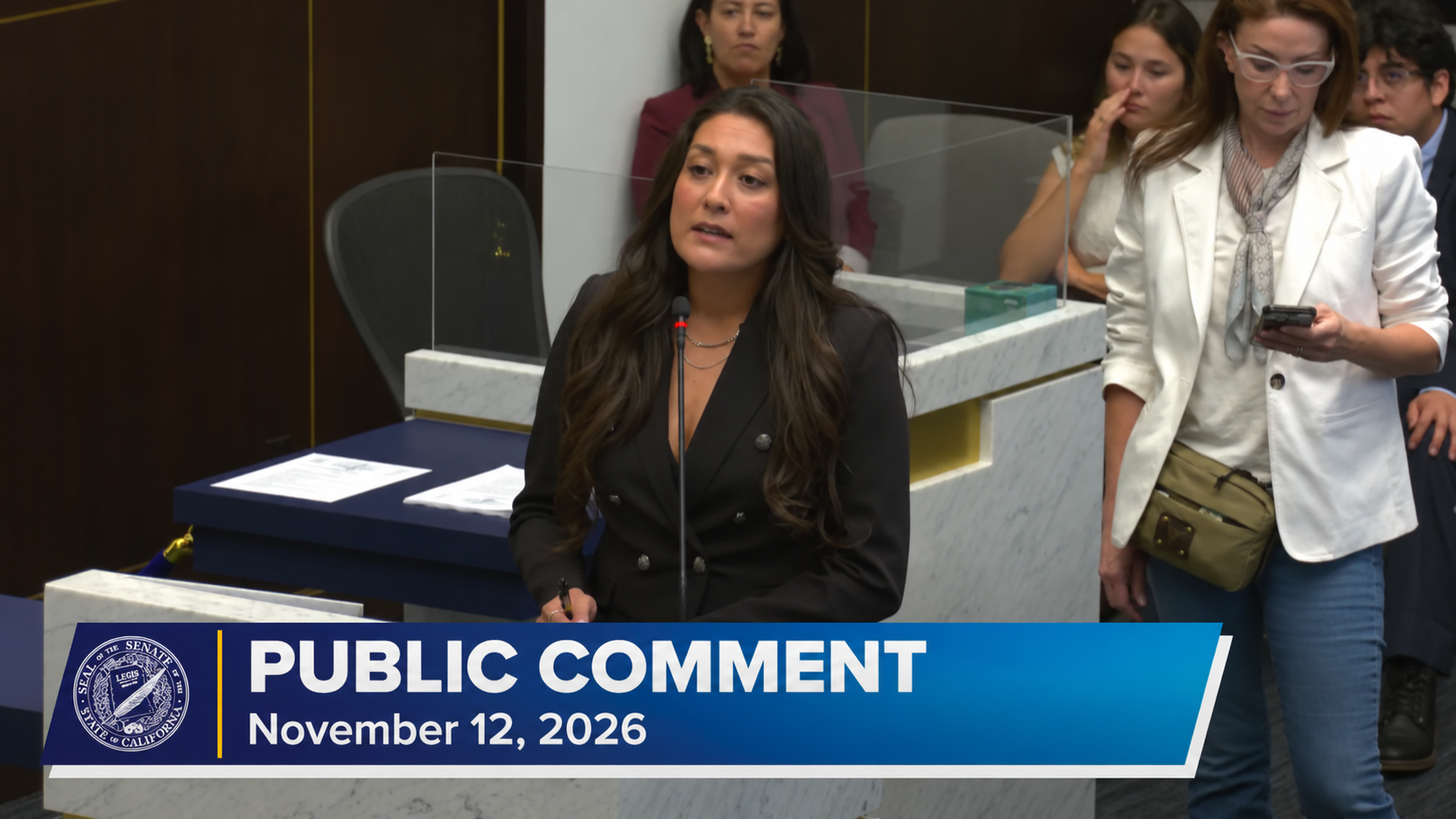
State officials and policy supporters defended California’s medical exemption framework. IPA and fellow advocates brought forward physician concerns, family experiences, and unanswered questions during public comment.
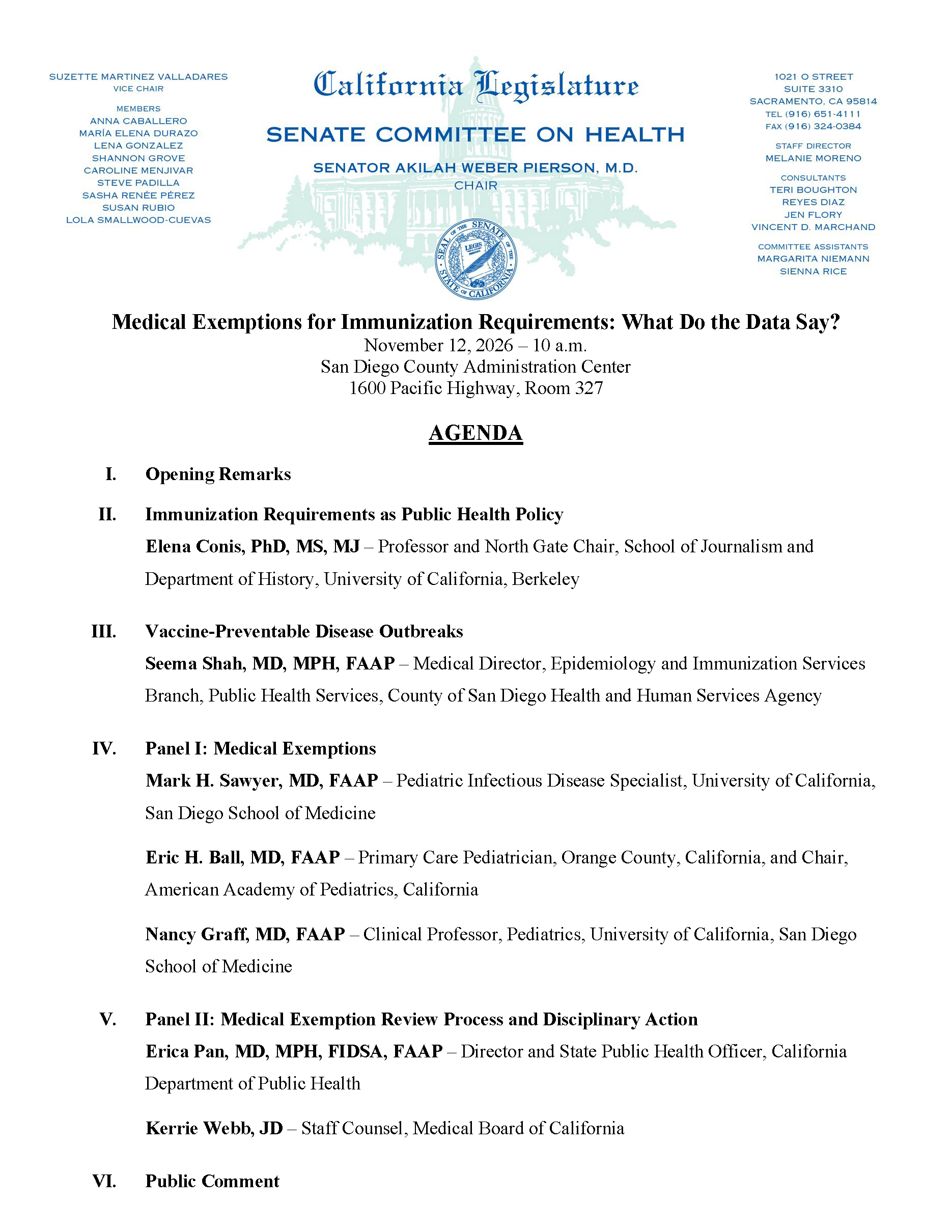
After more than a year of lobbying, Informed Policy Advocates welcomed the opportunity to bring California’s medical exemption policies into a public legislative discussion. On November 12, 2026, the California Senate Health Committee Chair, Senator Weber Pierson, held an informational hearing in San Diego titled Medical Exemptions for Immunization Requirements: What Do the Data Say? The agenda covered vaccination policy, disease outbreaks, medical exemptions, state review, and physician discipline.
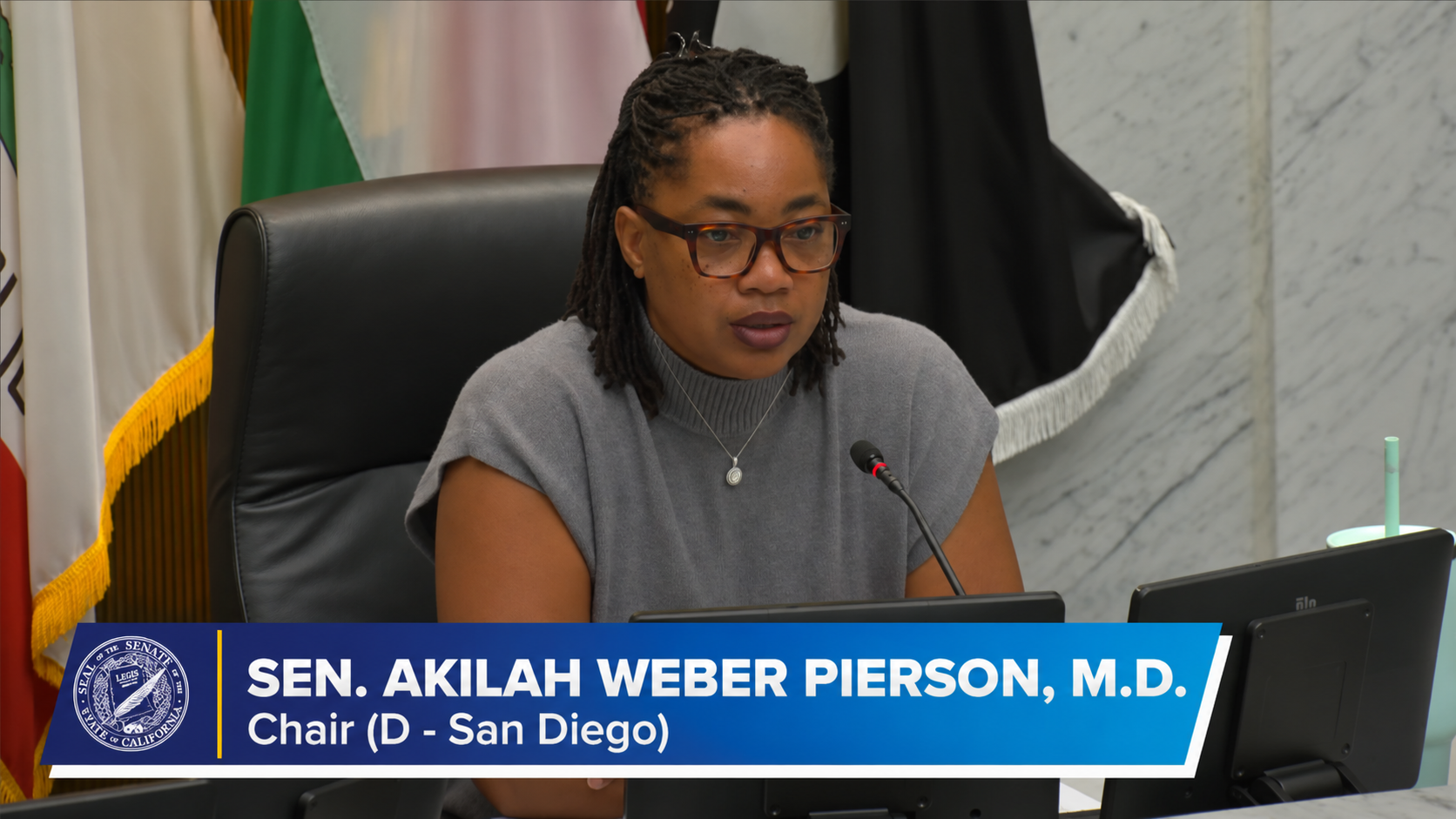
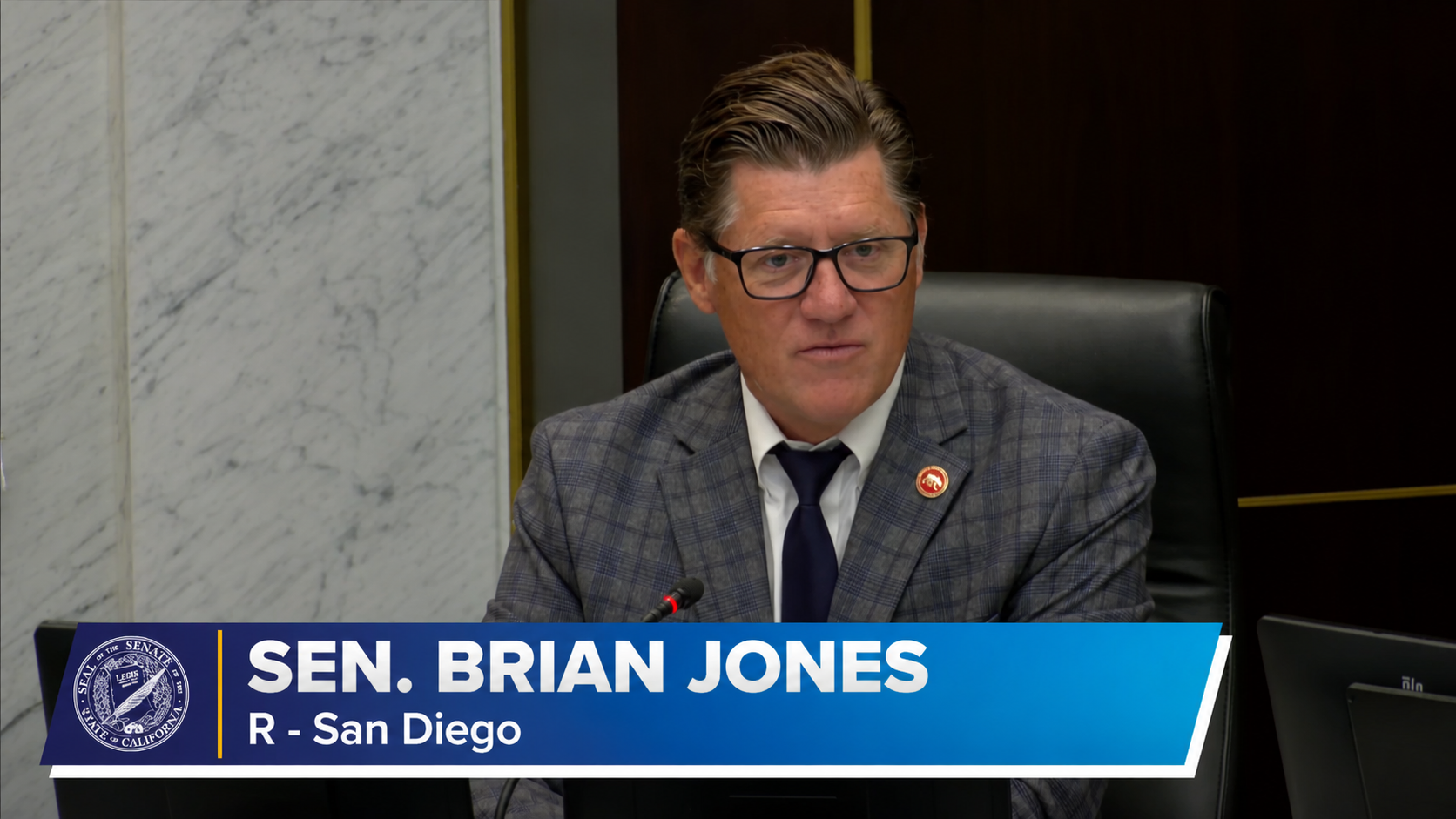
Senator Weber Pierson invited Senator Brian Jones, not on the committee, to attend. IPA contacted Vice Chair Senator Valladares, Committee Member Senator Grove, and Senator Allen, among others, and everyone was conveniently for the committee unavailable due to other committee hearings and prior commitments. No other committee members attended the hearing.
IPA expected the invited presentations to favor the current system. In our assessment, they did.
Our goal was to create space for a public examination of California’s medical exemption system, and this hearing opened that door. The people who helped create the current system shared their side. Unfortunately, affected families, treating physicians, and other essential stakeholders were left out of the invited panels. IPA and fellow advocates used their limited public comment time to challenge the account presented with data, physician concerns, families’ experiences of school exclusion, and unanswered questions about whether children who need medical exemptions can obtain them.
Informational hearings do not change the law in and of themselves. Instead, they serve as the first step in the legislative process. It has opened a discussion that must now include a fuller examination of how these policies affect children, families, and physicians.
Watch the full November 12, 2026 Senate Health Committee hearing.
Who Was Invited and Whose Perspectives Were Missing
We expected the invited presenters to defend the current policy, and that is largely what we heard. The agenda featured policy supporters, representatives of organizations involved in securing its passage, and officials responsible for administering or enforcing it, alongside historical and public health presentations.
Who was invited to present
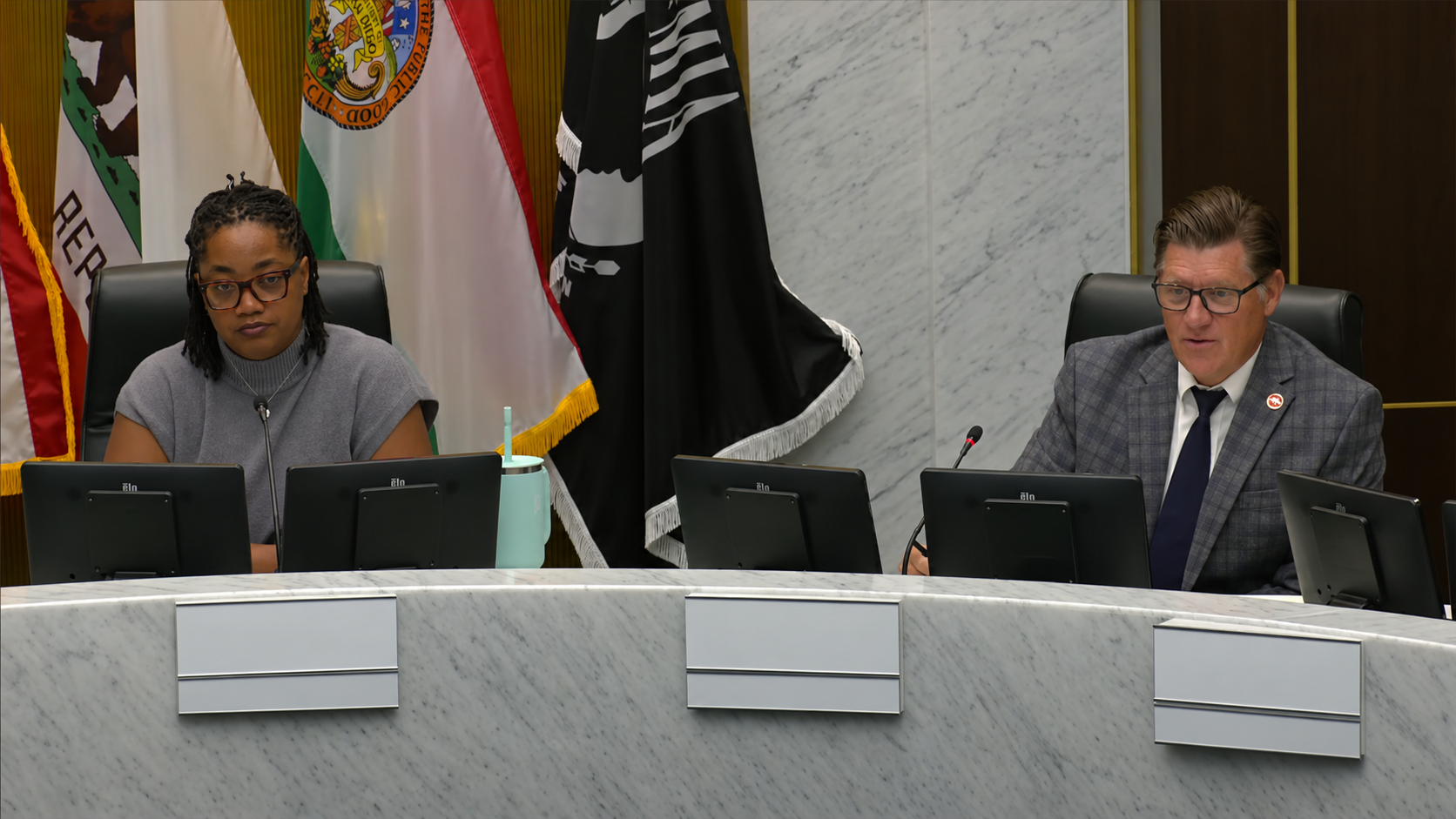
Senator Weber Pierson and Senator Jones
The two senators asked the panel questions.
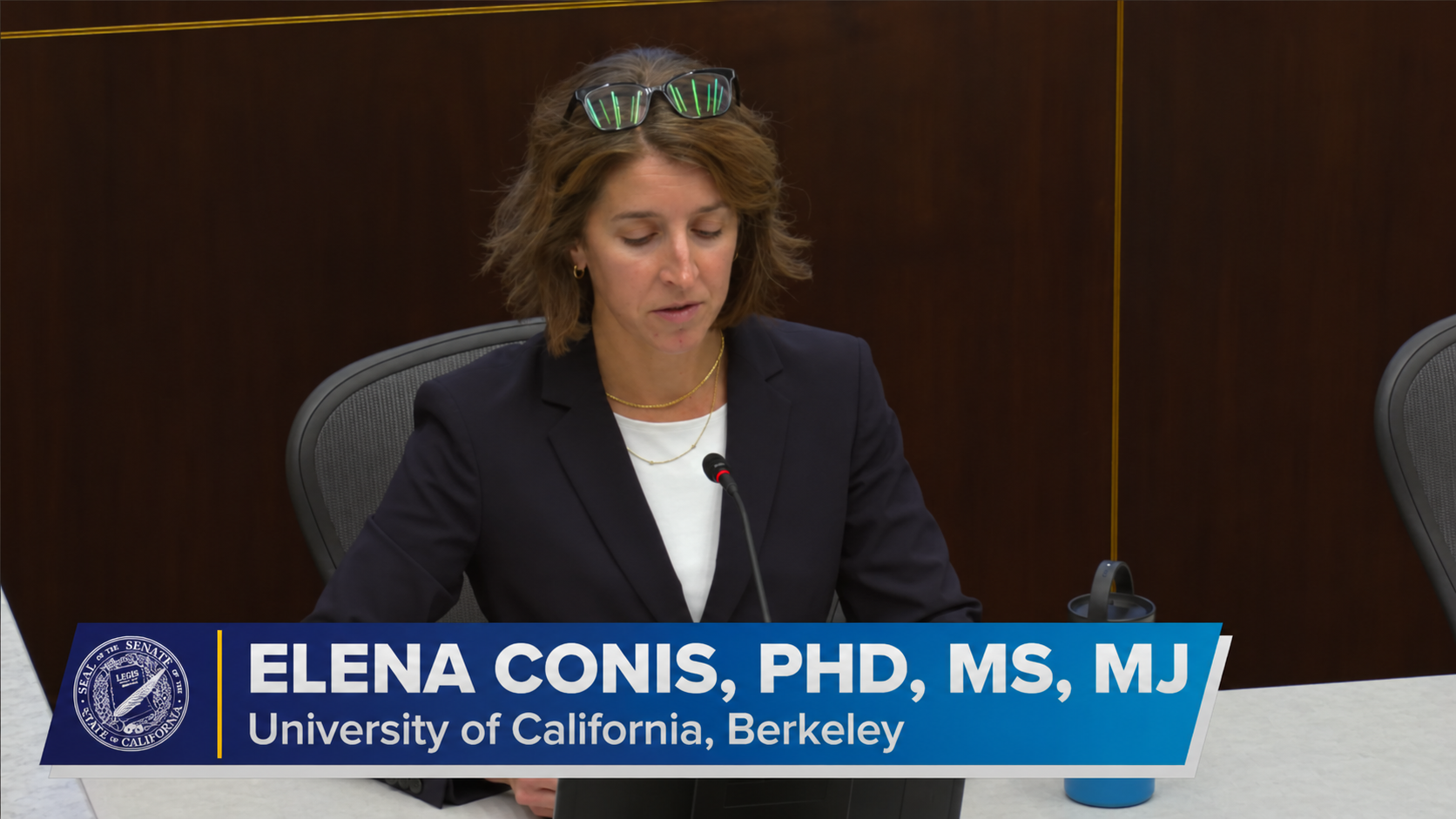
Elena Conis, PhD, MS, MJ
UC Berkeley professor and historian of medicine and public health.
Presented historical context on vaccination requirements and exemptions.
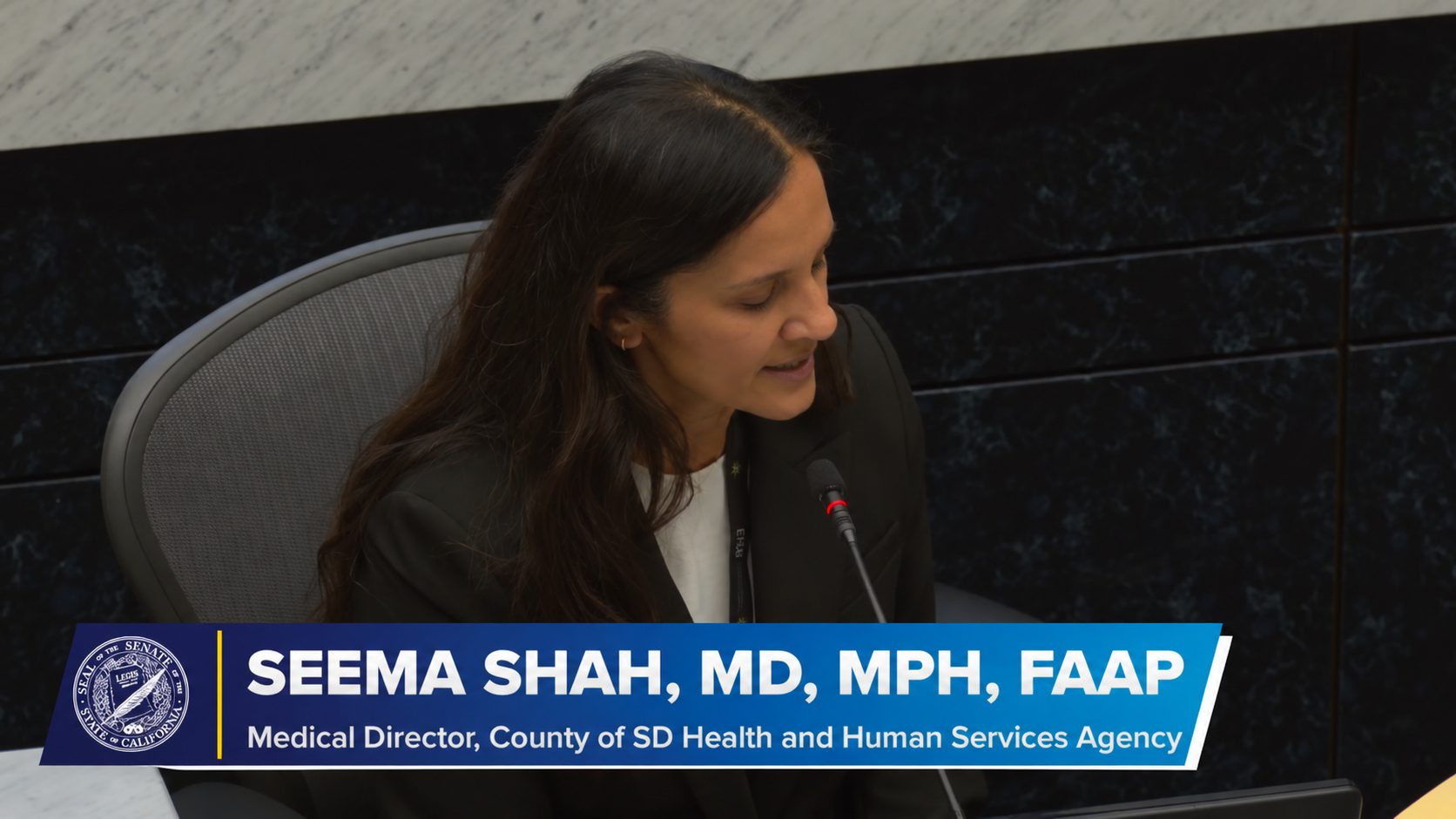
Seema Shah, MD, MPH, FAAP
Medical director of San Diego County’s Epidemiology and Immunization Services Branch.
Affirmed that the existing exemption framework was working.
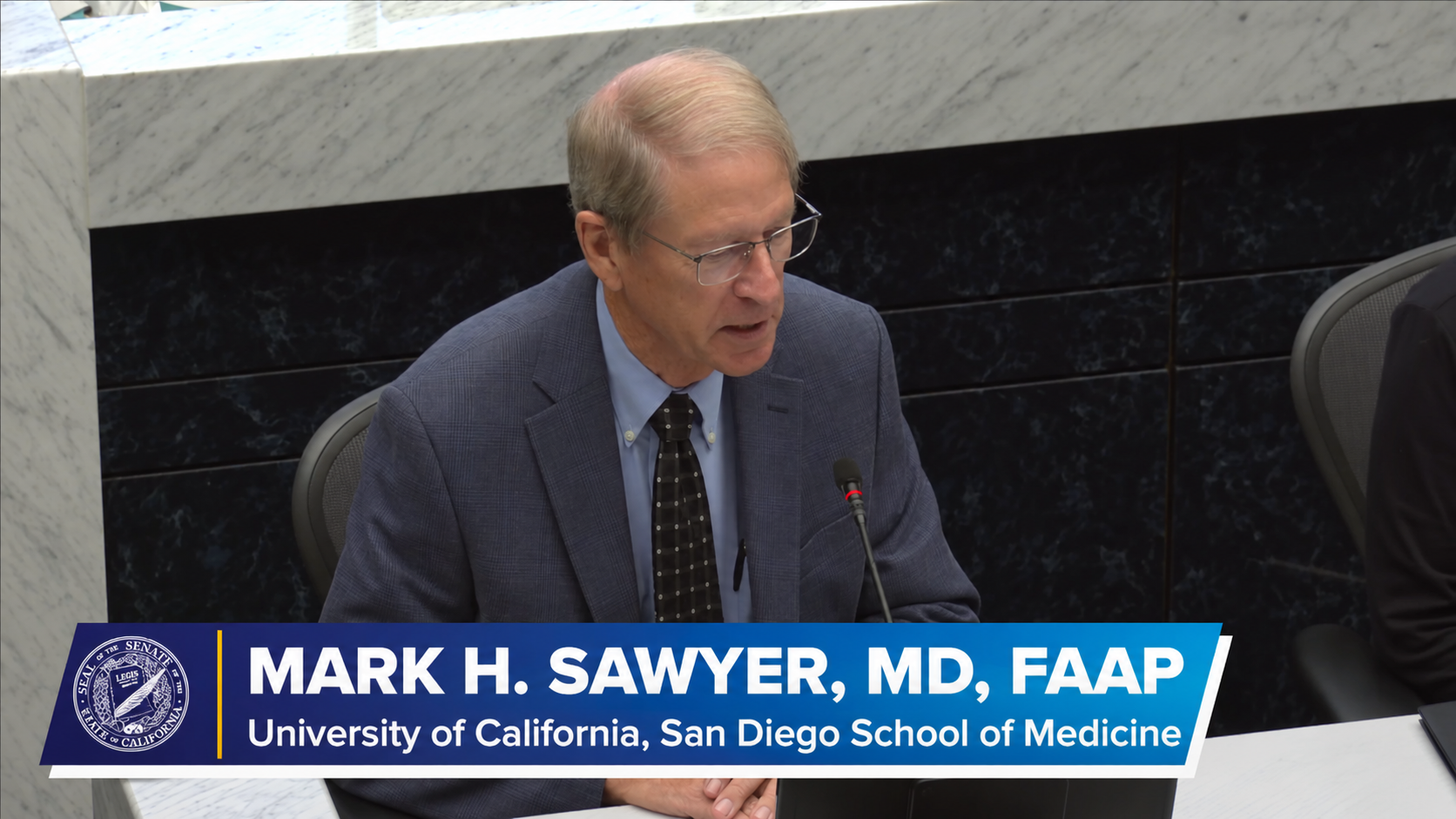
Mark H. Sawyer, MD, FAAP
Pediatric infectious disease specialist at UC San Diego.
Defended the system as functioning effectively.
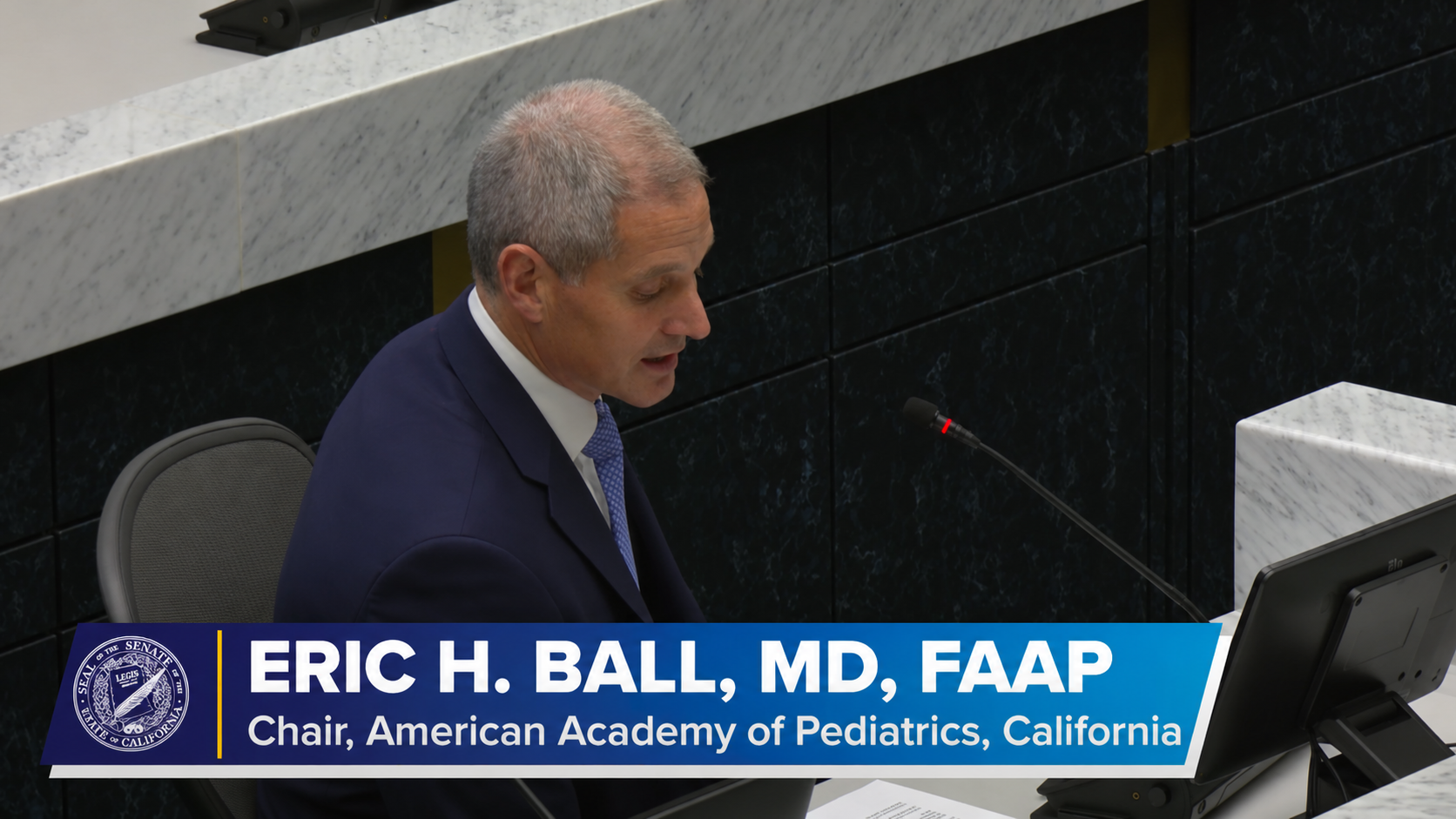
Eric H. Ball, MD, FAAP
Orange County primary care pediatrician and chair of AAP California.
Defended the system and previously advocated for SB 276.
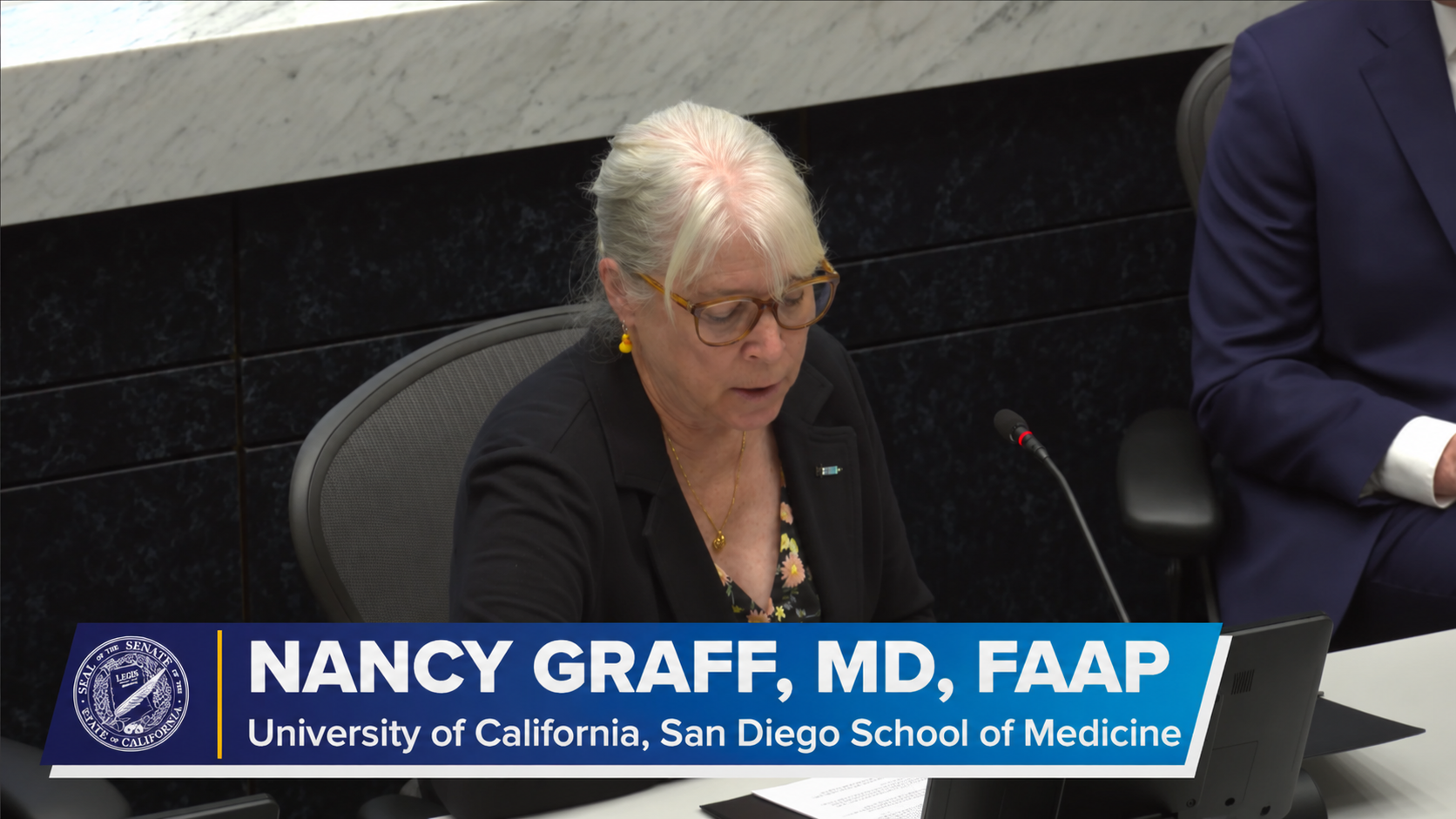
Nancy Graff, MD, FAAP
UC San Diego clinical professor of pediatrics, speaking for CMA.
Defended the framework on behalf of CMA, a cosponsor of SB 276.
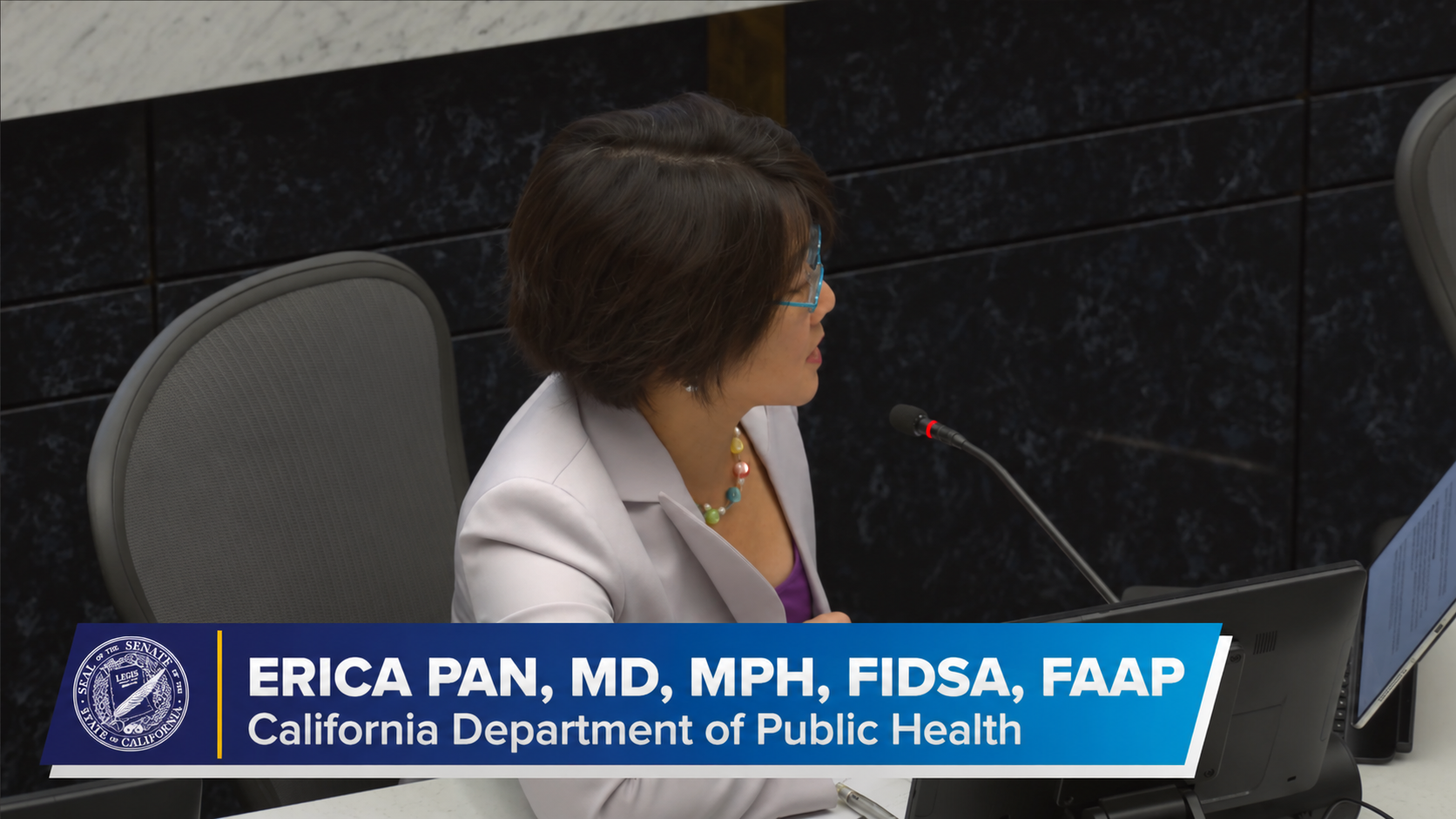
Erica Pan, MD, MPH, FIDSA, FAAP
CDPH director and state public health officer.
Presented and defended the review system administered by her department.
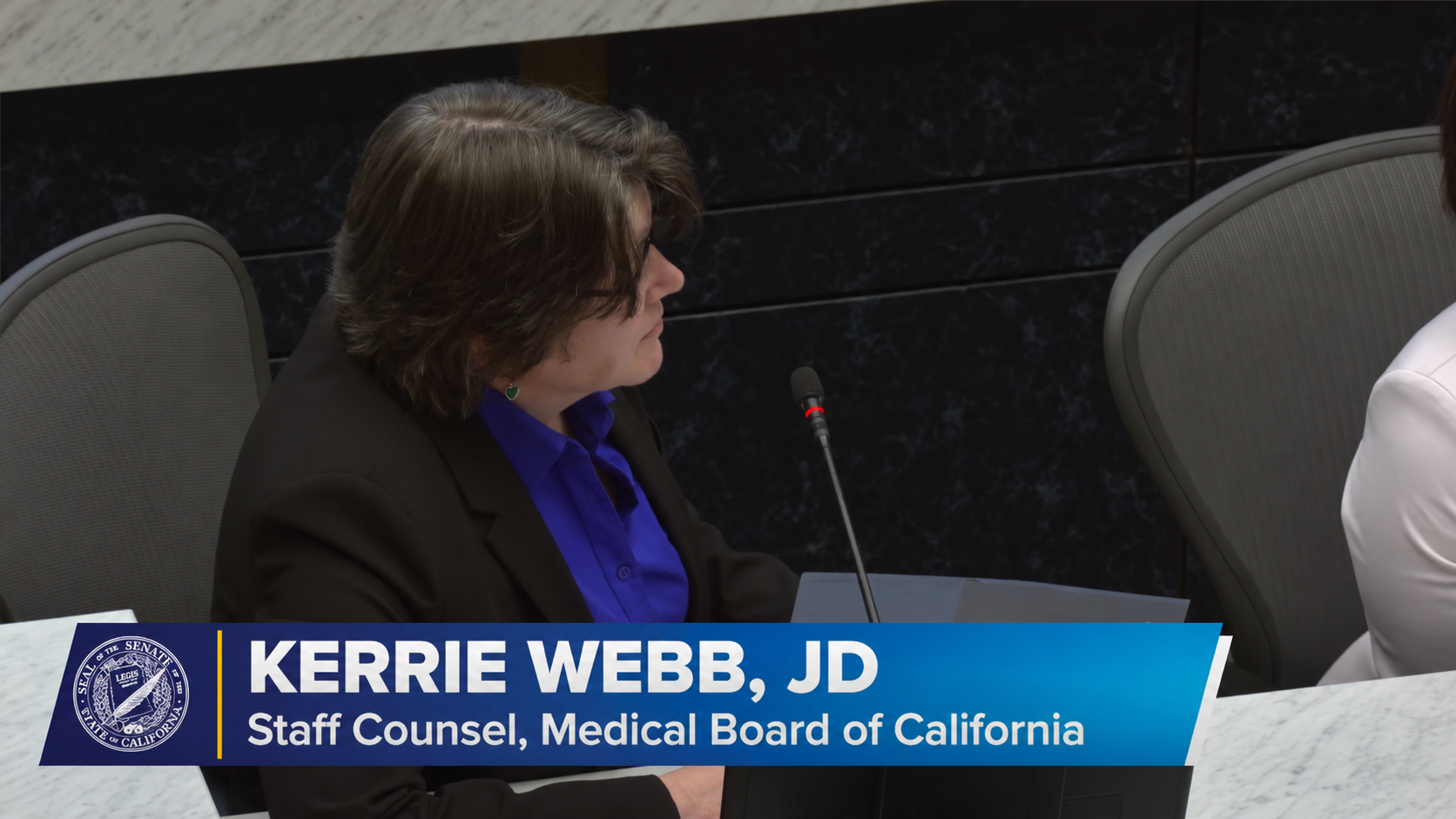
Kerrie Webb, JD
Staff counsel for the Medical Board of California.
Explained and defended the board’s enforcement procedures.
Whose perspectives were missing
Missing was a corresponding invited panel of affected families, treating physicians, and other stakeholders who could explain where the system is failing them and answer the committee’s questions in depth.
The agenda did not designate panel seats for:
Affected families, including parents of medically complex children whose exemptions became invalid or whose children were excluded from school.
Treating physicians presenting disputed exemption cases, including doctors reporting fear of professional consequences.
Parents and attorneys with direct experience challenging revocations, who could explain practical barriers to appeals.
Clinical specialists presenting contested individual cases, including the medical reasoning behind rejected exemptions.
Education officials and school administrators addressing exclusion, educational alternatives, and access to services.
Disability rights and special education advocates, addressing consequences for children with disabilities.
Hospital and medical group representatives explaining institutional restrictions on evaluations or exemptions.
Public comment was not a substitute for panel participation
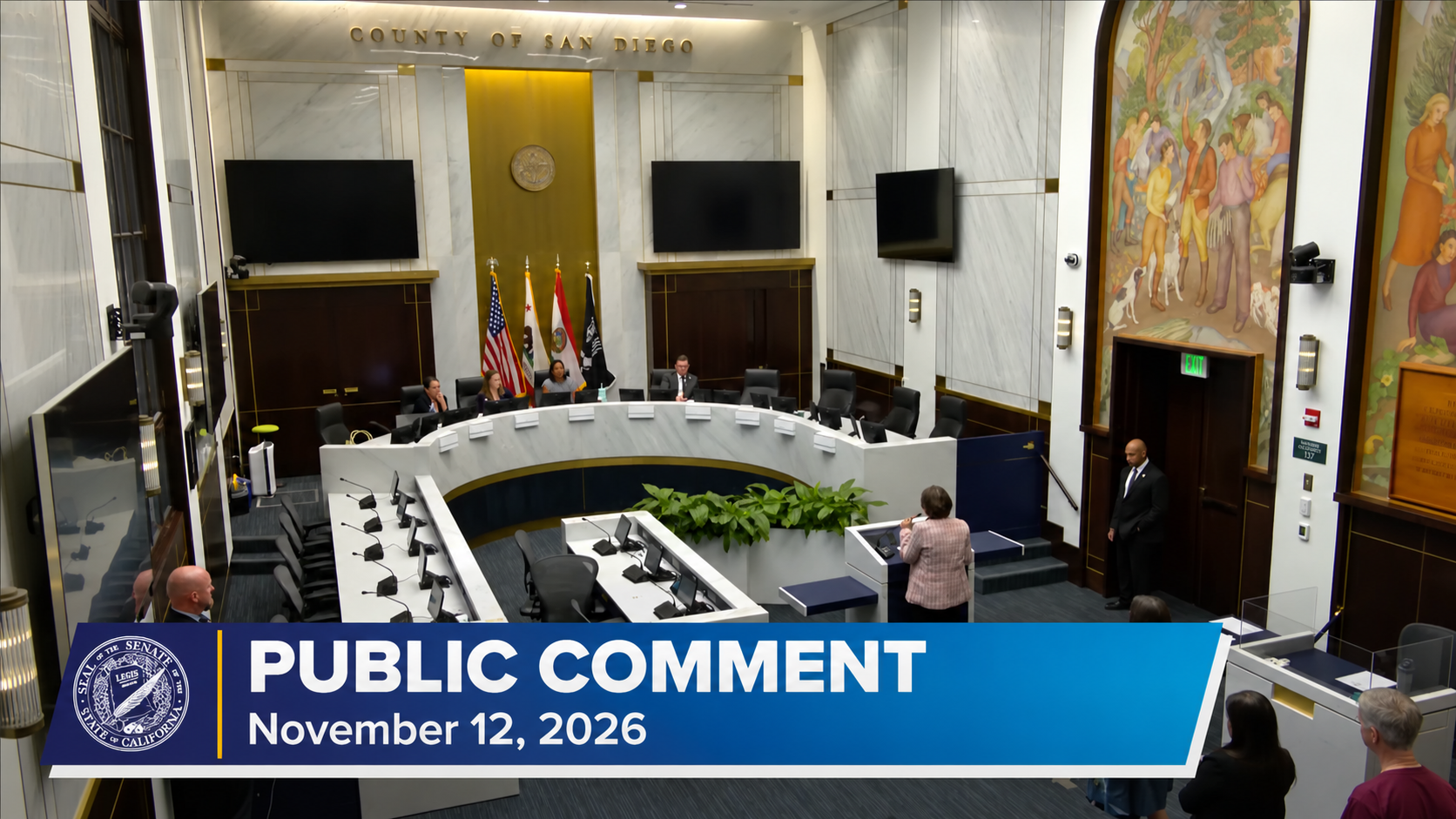
Some of these perspectives reached the committee through public comment, where the Chair limited each speaker to one minute.
Their experiences were essential to a full assessment of the policy. Yet that limit left little opportunity to examine complex medical histories, disputed exemptions, barriers to care, and educational consequences.
Invited witnesses had dedicated time to explain the framework and answer committee questions. Families and physicians challenging its implementation had to compress their experiences and clinical reasoning into brief statements.
One minute of public comment did not provide a meaningful substitute for an invited presentation and detailed committee questioning.
What the State’s Presentations Left Unresolved
State review can override the treating physician
CDPH described an initial review typically involving a nurse and a physician assessing submitted records rather than examining the child.
The treating physician has evaluated the patient. State reviewers can then reject the exemption based on the documentation submitted.
How does that process adequately account for the treating physician’s knowledge of the child and individual medical circumstances?
Revocations and appeals deserve closer scrutiny
The committee’s background paper reported that approximately 14.4% of reviewed exemptions were revoked, approximately 28% of revocations were appealed, and approximately 15% of appeals were resolved in favor of the parent or guardian. These percentages describe different stages of the process.
CDPH’s updated presentation, reporting through October 31, 2026, listed:
33,019 medical exemptions issued through the state’s electronic exemption system since its launch.
21,416 exemptions reviewed by CDPH.
3,090 exemptions listed as revoked, approximately 9.4% of issued exemptions or 14.4% of reviewed exemptions.
876 appeals filed, including 132 successful appeals, approximately 15.1% of appeals filed.
Successful appeals preserved exemptions for families who challenged a revocation.
But why did most revocations not result in an appeal? Did families understand the process? Did time, documentation burdens, or fear of consequences discourage them?
IPA is concerned that barriers faced by families and physicians are not captured in these totals. Successful appeals also require examination to distinguish decisions changed by additional documentation from errors in the initial review.
Exemption rates require context
The committee’s background paper connects the increase in medical exemptions after SB 277 eliminated personal belief exemptions with the subsequent adoption of SB 276.
It reports that permanent medical exemptions among California kindergarteners rose from approximately 0.2% before SB 277 to 1% in 2019, then declined to 0.1% under the newer system. It also references a national kindergarten medical exemption rate of approximately 0.2%.
During public comment, Lore explained that families like hers had used personal belief exemptions even though their children needed medical exemptions. When that option disappeared, those families transitioned to medical exemptions to remain in compliance.
IPA is concerned that the national 0.2% average is being treated as a practical benchmark for an acceptable exemption rate. The materials reviewed do not establish a formal numerical cap.
An increase alone does not establish inappropriate exemptions. In IPA’s assessment, the sharp decline reflects how much more difficult the current process has made it for children who need medical exemptions to obtain them.
Relevant standards of care must operate in practice
The committee’s background paper acknowledges that CDPH may accept exemptions based on other contraindications or precautions, including family medical history, when documentation supports consistency with the relevant standard of care.
Dr. Azadeh Khatibi emphasized this allowance during public comment.
IPA wants clear explanations of how this flexibility is applied, including how reviewers evaluate family medical history and a treating physician’s assessment of individual risk.
Our central concern is whether the emphasis on exemption rates and vaccination targets is overshadowing individualized medical judgment.
Population averages cannot determine whether an individual child needs an exemption.
What IPA and Fellow Advocates Brought to the Record
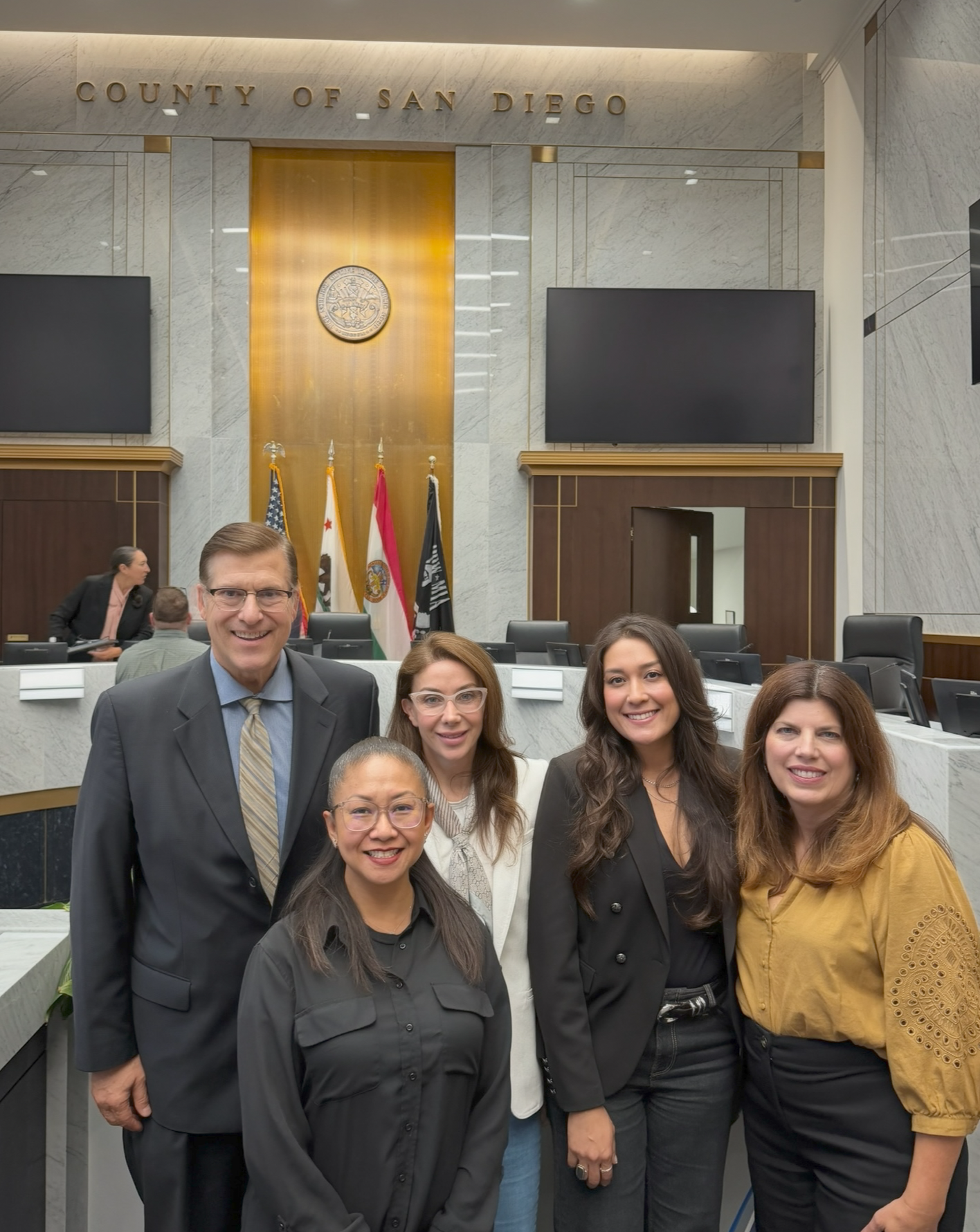
IPA prepared for the hearing and collaborated with fellow parent advocates to provide more than 10 minutes collectively of testimony and data during public comment.
Our core team of five, alongside Dr. Azadeh Khatibi, attorney Susan Daya, Felicia, Lore, Vicky, and Katerina, each brought specific points before the committee.
Brena Sheehy: Working through the legislative process
Brena, one of IPA’s registered lobbyists, established that IPA is a professional organization following the legislative process to address these issues.
Tom Sheehy: Obtaining the requested data
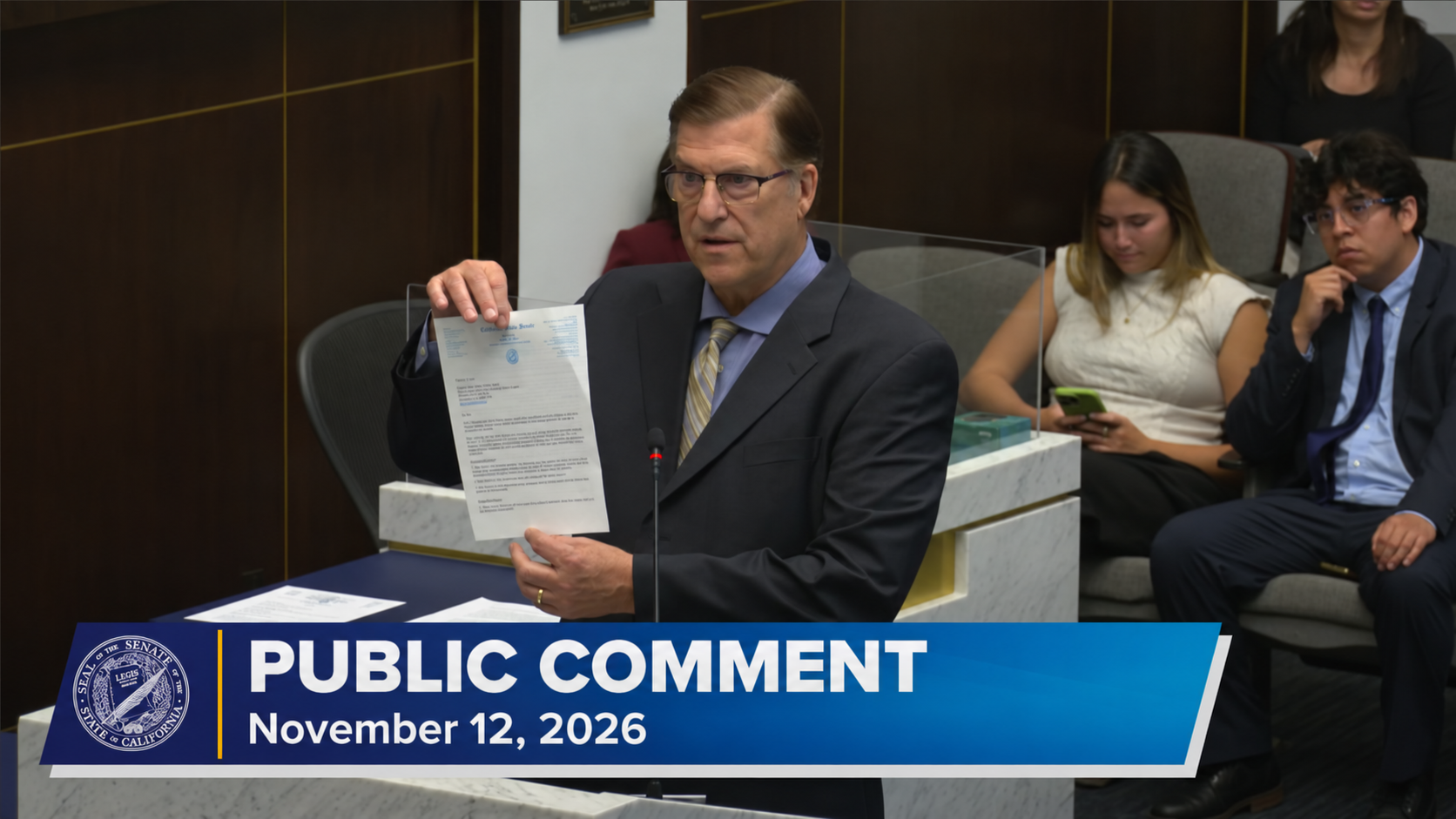
Tom, also an IPA registered lobbyist, presented Senator Ben Allen’s letter requesting data from CDPH.
He challenged the department’s failure to provide a written response to the Chair’s Senate colleague and asked to continue working with the committee to obtain the information needed for a better assessment of the system.
Jessica Cabrera: Consequences for children and families
Jessica emphasized that these policies put children in the crosshairs.
She addressed how exclusion from medical care and school creates generational disparities among affected families.
Kris Dukes: Pressure interfering with medical discretion
Kris shared how her daughter’s pediatrician said he could not write a medical exemption because he needed to be a “team player” within his medical group and had “bills to pay.”
Her testimony described a physician who felt unable to provide the exemption her daughter needed because of professional and institutional pressure.
Darrlene Alquiza: A permanent exemption becoming invalid
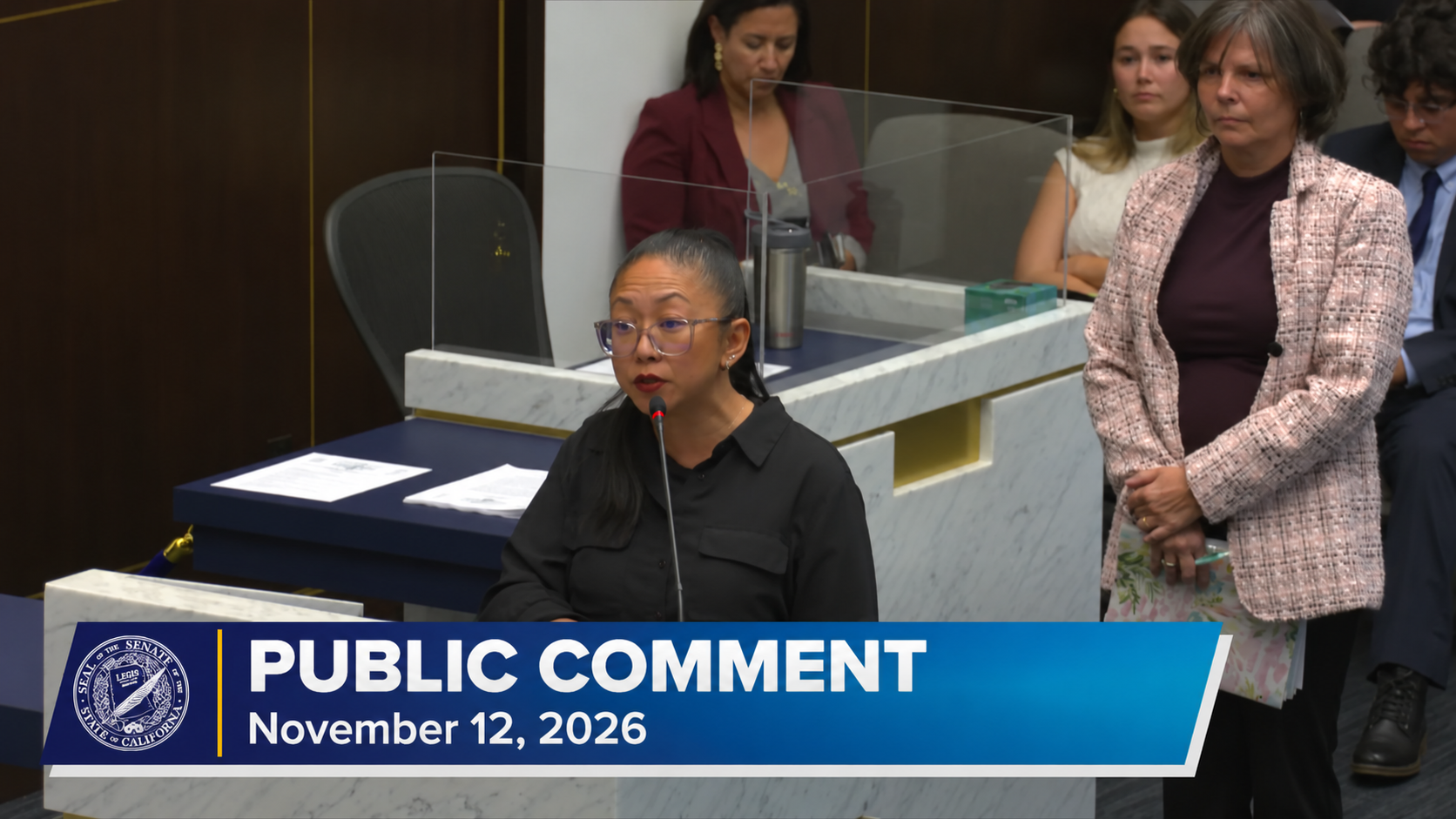
Darrlene shared how her daughter’s grandfathered permanent medical exemption became invalid at a grade span checkpoint. She argued that this change violated federal ex post facto protections.
She also challenged school exclusion based on fear of perceived contagiousness, drawing a comparison with protections for children with HIV and hepatitis B.
These were arguments raised during public comment, not legal findings made by the committee.
Dr. Azadeh Khatibi: Relevant standards of care
Dr. Khatibi spoke about the legal allowance for exemptions based on reasons consistent with the relevant standard of care.
She also pointed out that the California Medical Association represents only a fraction of physicians in the state.
Attorney Susan Daya: The chilling effect on physicians
Susan addressed the chilling effect of CDPH sending schools a list of more than 9,000 physicians disciplined for any reason.
She argued that circulating such a broad list creates a stereotype that physicians cannot be trusted, without distinguishing the reasons for their discipline.
Felicia: Accounts from three experienced physicians
Felicia submitted testimony from three physicians, each with approximately 30 to 40 years of experience.
Two described exemptions written for adverse reactions or positive antibody titer results that they said were immediately revoked without a communication loop.
One physician reported facing a public reprimand for writing five temporary exemptions, not for having five exemptions revoked. According to that account, the exemptions were intended to allow children to attend school while following a catch up vaccination schedule.
The physician reported having confirmed with AAP, CMA, and Dr. Pan directly that these temporary exemptions would not be an issue.
An immunologist also submitted concerns about the need for physicians to have latitude to make medical determinations case by case.
Lore: Explaining the transition between exemption categories
Lore explained that families like hers had used personal belief exemptions even though their children needed medical exemptions.
She connected the increase in medical exemption rates from approximately 0.2% to 1% to families making that transition after personal belief exemptions were eliminated.
Her testimony challenged the assumption that the increase itself demonstrated inappropriate exemptions.
Vicky: Her son’s medical circumstances
Vicky brought her son to the hearing and shared his medical issues with the committee.
She also cited the statement made by CMA President Renee Brown regarding vaccinations, “No medical intervention is perfect,” emphasizing the importance of recognizing individual medical circumstances.
Katerina: Six weeks of missed school
Katerina shared examples of how the system had failed her child, including missing six weeks of school because of one outstanding vaccine dose.
We are grateful to everyone who shared testimony, physician accounts, and data. These concerns must remain part of the discussion as IPA presses forward.
Questions the Hearing Needed to Answer
Some of these subjects arose during the hearing or public comment. They still require substantive, documented answers.
Access to physicians and evaluations
How many families cannot find a California physician willing to evaluate their child for an exemption? How are those reports documented and addressed?
How many exemptions are never issued because physicians fear investigation, discipline, or consequences within their medical group? How does the state measure barriers that never appear in application totals?
Do hospital or medical group policies restrict exemption evaluations or issuance? What options exist for affected patients?
Clinical standards and review decisions
How does CDPH apply the allowance for family medical history and other circumstances consistent with the relevant standard of care? What documentation is sufficient?
What happens when a treating specialist disagrees with the state reviewer? Is there a reliable opportunity for clinical discussion before revocation?
How many revocations involve clinical disagreement, incomplete documentation, or administrative errors? Are those categories reported separately?
How are adverse reactions, antibody titer results, and temporary exemption requests evaluated? What explanations accompany a rejection?
Given the fact that they admitted they revoke exemptions for family medical history and relevant standards of care to keep the medical exemption rate low, how many exemptions have been revoked simply to stay at the .2%?
Appeals and procedural safeguards
Why do most revocations not result in an appeal? Has the state examined barriers involving notice, deadlines, documentation, cost, or fear?
Why do some appeals succeed? How often does additional information, a different clinical assessment, or an initial error explain the outcome?
Are schools consistently following attendance protections during review and appeal? What remedy exists for premature exclusion?
Educational consequences and accountability
Where are children educated after an exemption becomes invalid or is revoked? How many miss school, enter independent study, begin homeschooling, or leave California?
What educational and disability services do affected children lose? What are the consequences for learning, caregiving, and family income?
How are grandfathered exemptions handled at grade span checkpoints or following physician discipline? What safeguards address each child’s circumstances?
What information requested by Senator Allen remains outstanding, and when will CDPH provide a written response?
Will a follow up hearing include affected families, treating physicians, education representatives, and disability advocates as invited witnesses?
The system’s records capture exemptions that enter the process. Those totals cannot reveal every exemption never written, evaluation never obtained, or family discouraged before an application is submitted.
A meaningful assessment must examine both the state’s justification for the framework and the experiences of those reporting harm from its implementation.
What IPA Will Do Next
Continue pursuing the requested data
IPA will continue working with the committee to obtain the information Senator Allen requested from CDPH earlier this year.
Those data are necessary to assess how the system is working and identify where further investigation or policy changes are needed.
Evidence first. Policy second.
Prepare for the coming legislative session
IPA is preparing to meet with incoming legislators and new and returning legislative staff.
We will bring family experiences, physician concerns, and unanswered questions directly to those meetings as we advocate for individualized medical decision making and access to education.
We will also continue pressing for affected stakeholders to have a meaningful place in future discussions.
How You Can Help
This progress is possible because supporters help fund our Capitol meetings and the registered lobbyists guide us through the legislative process and help secure key meetings.
Follow IPA and share this recap. Help others understand who was invited, whose perspectives were missing, and what remains unanswered.
Submit your public comment via the legislative portal. Senate Weber Pierson stated you can submit a comment on this hearing via the health committee webpage.
Plan to meet with your state legislators in January. Your experience can explain consequences that statewide totals do not capture.
Help fund our lobbying work. Contributions support registered lobbyists, legislative meetings, and sustained advocacy.
Support Informed Policy Advocates and stay connected.
Watch the full November 12, 2026 hearing.
CDPH presentation slides from hearing you can find here.
The hearing opened the discussion. Your support helps us press for answers, a fuller examination, and policy change.