
CDC Updates Childhood Immunization Schedule: Your Informed Consent and Consumer Protections Matter.
What the Federal Shift Means for California under the West Coast Health Alliance.
January 2026 | Informed Policy Advocates
The Centers for Disease Control and Prevention CDC has formally adopted a revised childhood and adolescent immunization schedule following a December 2025 Presidential Memorandum directing federal health agencies to review US vaccination practices against those of peer developed nations and update guidance where appropriate. What changed at the federal level, and how do those changes intersect with California's new law AB 144?
According to the US Department of Health and Human Services (HHS), the new schedule reflects a scientific review of international standards, vaccine uptake, and gaps in long term safety evidence. The result is a restructured framework that narrows the list of vaccines recommended as routine for all children and expands the use of shared clinical decision making and risk based recommendations.
Official HHS announcement
https://www.hhs.gov/press-room/cdc-acts-presidential-memorandum-update-childhood-immunization-schedule.html
HHS fact sheet
https://www.hhs.gov/press-room/fact-sheet-cdc-childhood-immunization-recommendations.html
Explanation for change https://www.hhs.gov/sites/default/files/assessment-of-the-us-childhood-and-adolescent-immunization-schedule-compared-to-other-countries.pdf
This article explains what changed at the federal level, how those changes intersect with California's new law AB 144, the role of the California Department of Public Health CDPH and the West Coast Health Alliance and how the shift relates to informed consent medical consumer protections and unresolved questions around liability and vaccine injury compensation.
What Changed at the Federal Level
Under the updated CDC framework childhood immunizations are now organized into three categories
• Vaccines recommended for all children
• Vaccines recommended for certain high risk groups or populations
• Vaccines recommended through shared clinical decision making

Vaccines Still Recommended for All Children
The CDC continues to recommend routine immunization for all children against the following diseases citing international consensus and risk of serious illness
Diphtheria
Tetanus
Acellular pertussis whooping cough
Polio
Measles
Mumps
Rubella
Haemophilus influenzae type b Hib
Pneumococcal disease
Varicella chickenpox
Human papillomavirus (HPV) now recommended as a single dose rather than two
CDC immunization schedules
https://www.hhs.gov/childhood-immunization-schedule/index.html
Vaccines That Are No Longer Universally Recommended by Default
Several vaccines previously labeled routine for all children are no longer universally recommended and have been reassigned to shared decision making or high risk categories
COVID 19
Influenza
Hepatitis A
Hepatitis B including removal of the universal birth dose when the mother is HBsAg negative
Rotavirus
Meningococcal ACWY
Meningococcal B
Federal officials emphasize that these vaccines have not been banned or withdrawn. They remain available and covered by insurance through Affordable Care Act compliant plans Medicaid CHIP and the Vaccines for Children program.
Why the CDC Says the Change Was Made
HHS states that prior to the update, the United States recommended more routine childhood vaccine doses than any peer developed nation without achieving higher vaccination rates or stronger public trust.
According to HHS, the revised schedule is intended to:
• Align US recommendations with international consensus
• Improve transparency around benefits and risks
• Support shared decision making between families and clinicians
• Rebuild public confidence in public health institutions
HHS also acknowledged gaps in gold standard evidence including the absence of long term placebo controlled trials evaluating the cumulative childhood schedule. The agency states it will fund additional research and reassess recommendations as new data emerge.
Scientific assessment summary
https://www.hhs.gov/press-room/fact-sheet-cdc-childhood-immunization-recommendations.html
California Context: State Mandates for School, AB 144 and the West Coast Health Alliance
Vaccine Mandates Vs. Recommendations
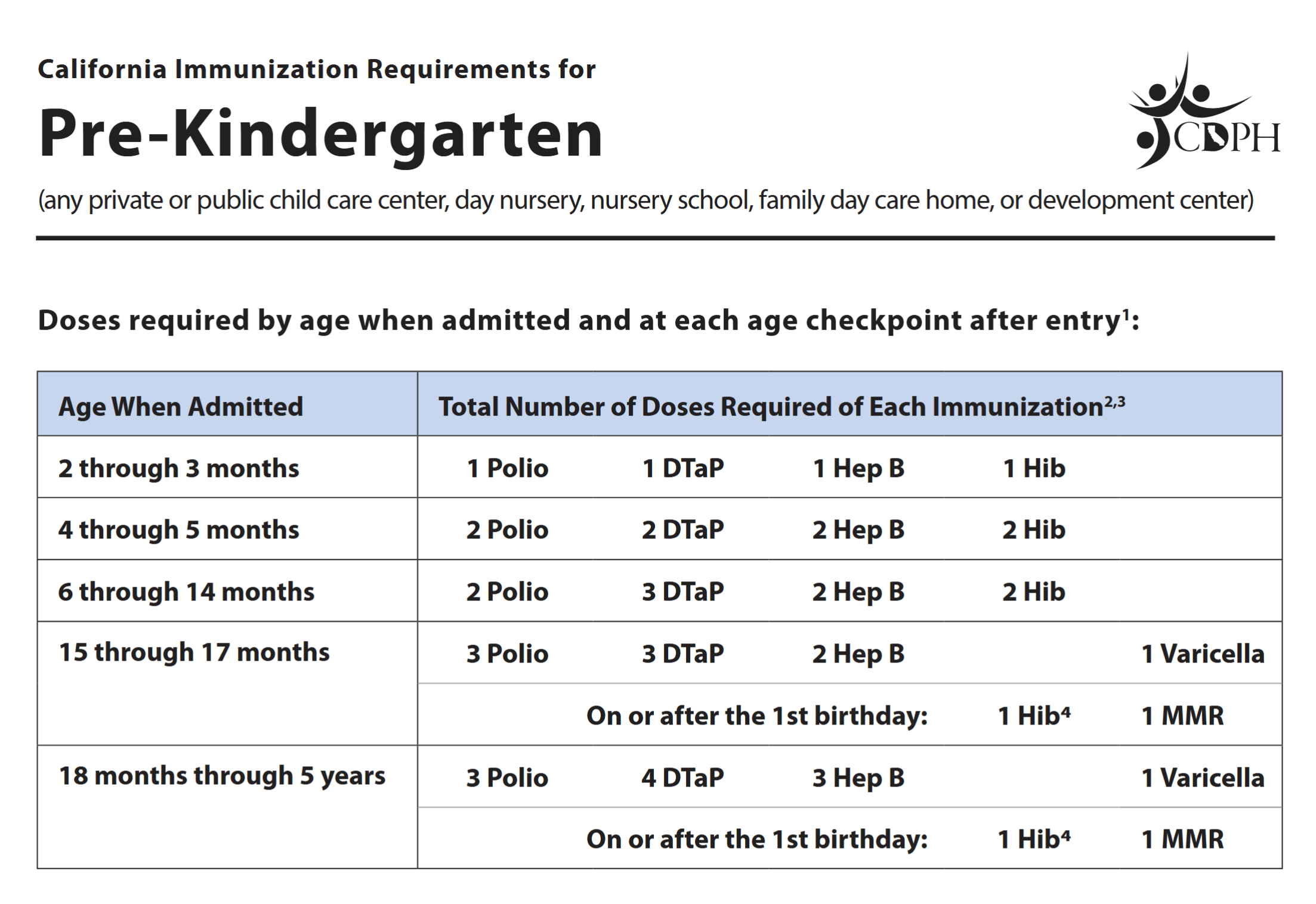
While federal guidance is and always has been recommendations, California has made their school vaccine policies as mandates, only allowing strict medical exemptions that must be approved by state appointed doctors who never speak to or otherwise communicate with the prescribing doctor or patient. Comparing the state’s mandates and the updated federal recommendations, HepB is no longer broadly recommended for infants or children, yet three HepB shots are still currently mandated for school.
California Immunization Requirements for Daycare, Nursery School, Preschool https://www.cdph.ca.gov/Programs/CID/DCDC/CDPH%20Document%20Library/Immunization/IMM-230.pdf
California Immunizaiton Requirements for K-12 https://www.cdph.ca.gov/Programs/CID/DCDC/CDPH%20Document%20Library/Immunization/IMM-231.pdf

AB 144 and California's Shift in Authority
While federal guidance often informs state policy, California does not automatically adopt CDC recommendations. That distinction now carries greater weight following the enactment of AB 144 which took effect January 1, 2026.
AB 144 formally transferred vaccine policymaking authority to the California Department of Public Health and established the West Coast Health Alliance, a regional public health coordination body involving California, Oregon, Washington, Hawaii and other participating western states.
Under AB 144
CDPH is no longer required to mirror CDC recommendations
California may issue immunization guidance independent of federal schedules
Policy decisions may be informed by regional consensus developed through the West Coast Health Alliance, AAP and ACOG rather than federal default
Currently freezes the Jan. 2025 CDC schedule as the current recommendation schedule for California.
The Role of the West Coast Health Alliance
The West Coast Health Alliance is designed to coordinate public health strategy among western states particularly around immunization guidance, disease surveillance and data sharing.
While the Alliance does not mandate uniform policy it provides a regional framework that can significantly influence state level decision making. The Alliance’s guidance incorporates positions from the American Academy of Pediatrics (AAP) which has publicly opposed the CDC’s revised immunization schedule and criticized the removal of several vaccines from universal childhood recommendations. As a result, future California guidance developed through the Alliance may reflect organized medicine’s resistance to the federal shift even where CDC policy has moved toward shared clinical decision making and individualized risk assessment.
What Will CDPH Do Next?
The California Department of Public Health (CDPH) has released a press release that West Coast Health Alliance continues to recommend vaccination in alignment with the American Academy of Pediatrics (AAP) Recommended Child and Adolescent Immunization Schedule, despite changes to the CDC schedule.
Existing California school immunization laws remain in effect unless revised at the state level. Any changes to California policies would require formal CDPH action potentially informed by deliberations within the West Coast Health Alliance.
CDPH immunization guidance
https://www.cdph.ca.gov/Programs/CID/DCDC/Pages/Immunization.aspx
Informed Consent and Medical Consumer Protections
From a policy standpoint the CDCs revised framework places greater emphasis on shared clinical decision making which directly affects informed consent.
Shared decision making requires that families receive clear information about known benefits, known risks, areas of uncertainty and individual risk factors.
This approach aligns with long standing medical consumer protection principles which treat vaccination as a medical intervention rather than a purely administrative requirement.
The federal acknowledgment of evidence gaps and commitment to additional safety research are also relevant to consumer protections. Transparency around risk benefit profiles, long term outcomes and cumulative exposure is a foundational component of informed consent.
At the state and regional level AB 144 and the West Coast Health Alliance raise additional consumer protection questions including who determines acceptable risk, how disagreements between federal and state guidance are resolved and whether families can meaningfully exercise choice when policies diverge.
An Open Question: Vaccine Injury Compensation and Liability
One unresolved issue is how the revised schedule may affect coverage under the National Vaccine Injury Compensation Program VICP. Under federal law liability protection for vaccine manufacturers and providers depends on whether a vaccine is recommended for routine administration to children or pregnant women and whether it is listed on the Vaccine Injury Table maintained by HHS. If a vaccine no longer meets either condition, eligibility for VICP coverage and the associated liability shield may be affected.
Current Status
The CDC has revised its childhood vaccine recommendations.
HHS has not yet updated the Vaccine Injury Table.
Until formal rulemaking occurs, it remains unclear whether vaccines no longer routinely recommended will remain covered by VICP.
This creates legal and consumer protection uncertainty.
In Summary
The CDCs updated childhood immunization schedule represents a significant shift in federal vaccine policy emphasizing narrower routine recommendations, greater individualization and increased transparency.
For California the impact is indirect but consequential. AB 144 and the creation of the West Coast Health Alliance give the California Department of Public Health greater latitude to weigh federal guidance against regional priorities rather than automatically adopting CDC recommendations. At the same time Governor Newsom has publicly opposed the federal change signaling that California leadership will resist aligning state policy with the revised schedule despite the shift at the national level.
From an informed consent and medical consumer protection perspective, the move toward shared decision making and acknowledgment of evidence gaps represents a structural change in how vaccine policy is framed.
Key questions around liability compensation and state or regional adoption remain unresolved. Informed Policy Advocates will continue monitoring developments, providing clear nonpartisan updates as federal state and regional implementation unfolds, and we will continue lobbying for your consumer protections and informed consent with the California legislators.